
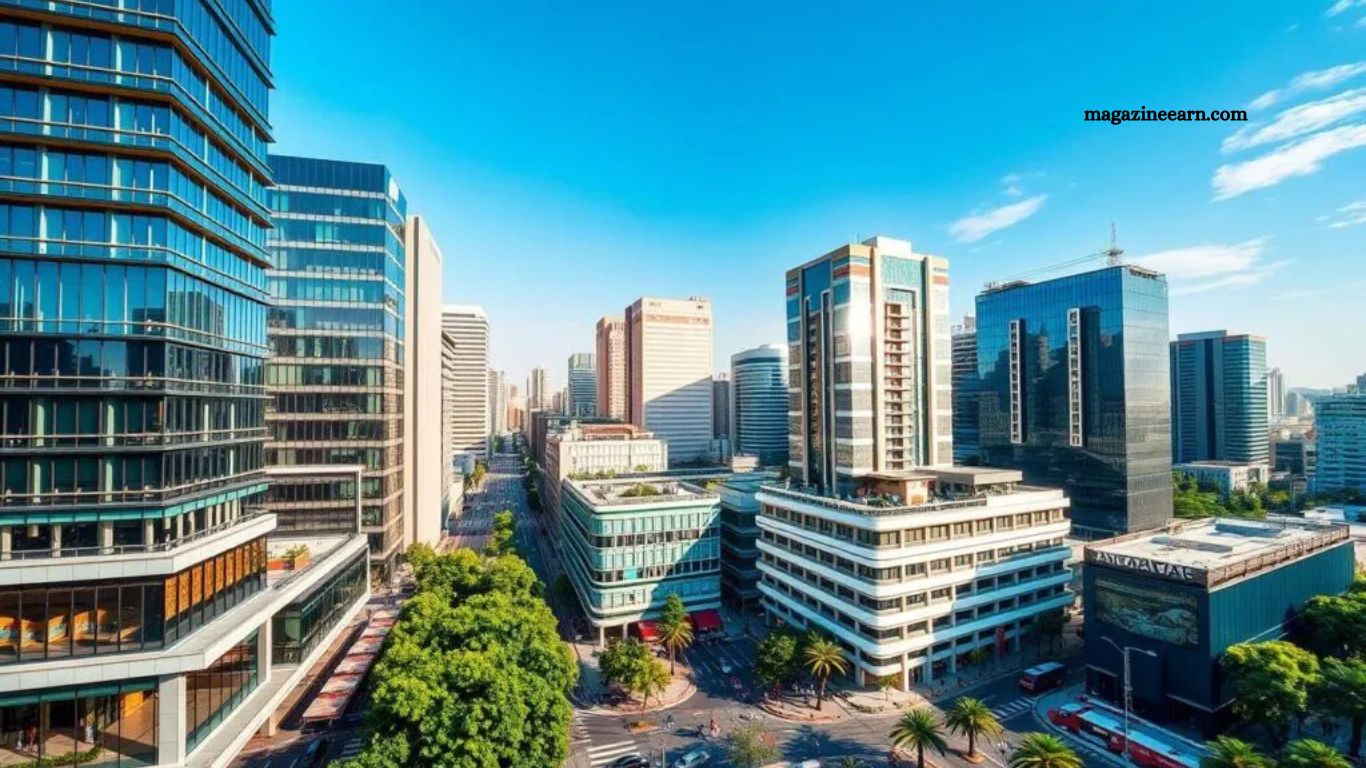
The Mexican retail real estate sector is poised for robust growth in 2026, signaling a rebound from previous construction slowdowns and a shift toward more dynamic urban development. Industry analysts, including consultancy Datoz, highlight a growing focus on mixed-use projects that seamlessly combine retail, residential, and office spaces to foster multifunctional urban hubs.
Expansion is particularly concentrated in Mexico City, Monterrey, and emerging economic centers such as Oaxaca, where strategic investments are reshaping the urban landscape. Modern shopping centers are evolving beyond traditional retail, emphasizing immersive visitor experiences, integrated services, and community engagement. This transformation positions retail real estate not only as a commercial asset but also as a catalyst for social, economic, and cultural activity across Mexico’s key urban markets.
Read More: U.S. Judge Upholds Trump Administration’s $100,000 H-1B Visa Fee
Key Mixed-Use Projects Shaping 2026
A number of large-scale mixed-use developments are set to break ground or open in 2026, reflecting the continued transformation of Mexico’s retail real estate landscape.
- Espacio Condesa, Mexico City: Situated in the Cuauhtémoc borough, this development will offer 3,827 square meters of gross leasable area, featuring four levels of retail integrated with an office tower and a residential tower, creating a dynamic urban hub.
- Reforma Colón, Mexico City: Developed by Fibra SOMA, the project advances into its second phase, encompassing a three-level commercial podium alongside twin towers for office and residential use, reinforcing the area’s role as a mixed-use destination.
- Altea Paseo Hidalgo, Monterrey: Spanning 27,205 square meters, this project supports Monterrey’s vertical densification strategy, combining street-level retail with residential units above to optimize urban space and connectivity.
Strategic Regional Expansion
Investments are increasingly targeting high-growth tourism and residential corridors, reflecting the evolving priorities of Mexico’s retail real estate market.
- Parque Oaxaca, Oaxaca: Developed by Fibra Danhos, this 40,000-square-meter project represents an investment of approximately 6 billion pesos. Designed as a premier commerce and entertainment hub in southeastern Mexico, it emphasizes sustainability and community integration.
- Paseo Coapa, Mexico City: Spanning 60,000 square meters in southern Mexico City, this development focuses on medium-scale, community-oriented retail, built following several years of strategic planning to serve local residents and visitors alike.
- Paseo Xochimilco, Mexico City: Planned for the southern capital, this center will provide 49,316 square meters of leasable space, anchored by department stores, dining options, and entertainment venues, enhancing the area’s commercial and social appeal.
Frequently Asked Questions
What is driving retail real estate growth in Mexico?
Expansion of mixed-use developments combining retail, residential, and office spaces.
Which cities are leading the market?
Mexico City, Monterrey, and emerging centers like Oaxaca.
What types of projects are expanding?
Large-scale mixed-use complexes and regional retail hubs.
How do these developments impact communities?
They enhance urban integration, sustainability, and visitor experiences.
Who are the key developers?
Fibra SOMA, Fibra Danhos, and other major investors.
What is the focus of future retail projects?
Functional, multifunctional urban hubs that drive commerce and social activity.
Conclusion
Mexico’s retail real estate market is entering a dynamic growth phase in 2026, driven by strategic investments in mixed-use developments and regional centers. Projects across Mexico City, Monterrey, and emerging markets like Oaxaca are redefining the role of retail, combining commerce, residential living, and office space to create vibrant, multifunctional urban hubs.
