
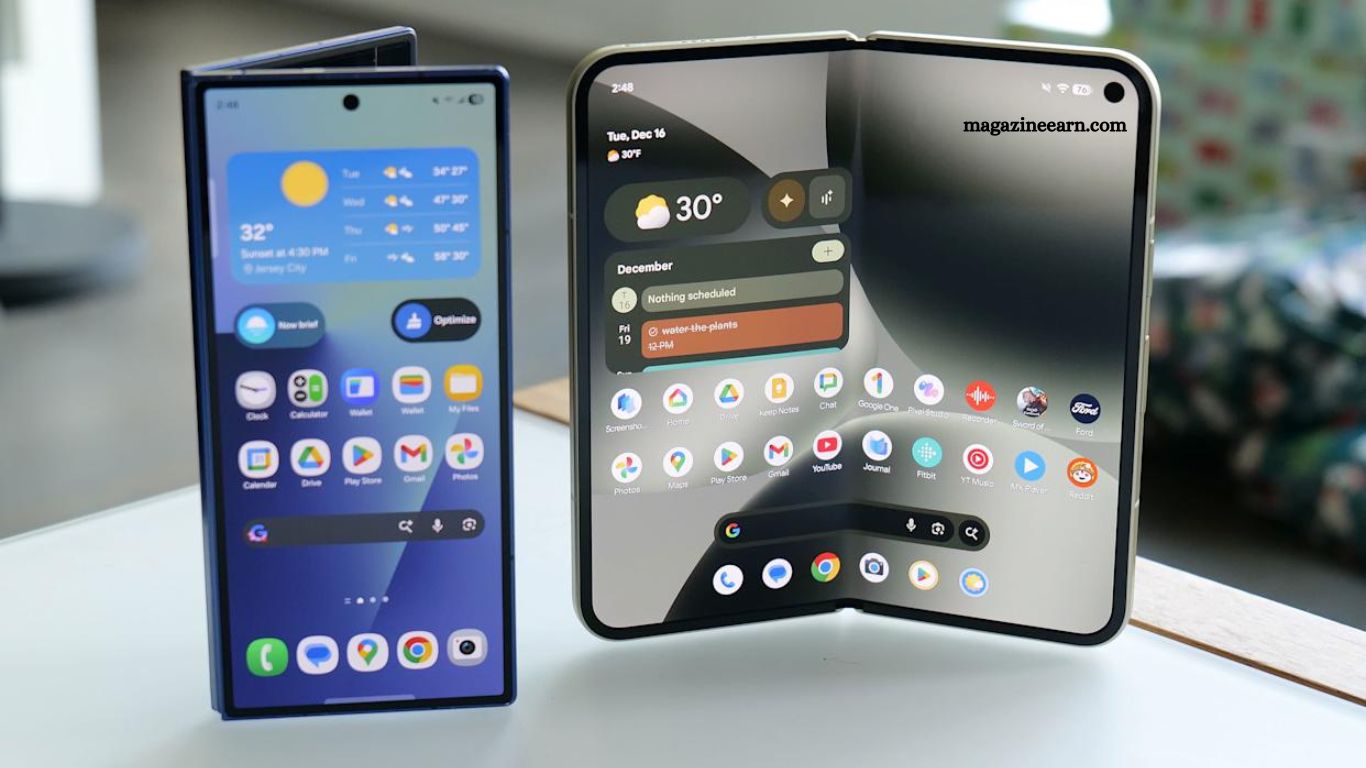
Foldable phones have come a long way in a surprisingly short time. Believe it or not, these devices have been around for nearly a decade. The earliest models, like the one I first saw in 2019—which actually predates Samsung’s Galaxy Fold—were clunky experiments,
More prototype than polished product. But over the years, manufacturers have steadily refined their designs, addressing nearly every major concern about foldables. There’s just one lingering issue they haven’t solved yet: affordability.
Read More: NVIDIA Licenses Groq’s AI Chip Technology and Hires Key Executives
The Early Days: Promise Amid Flaws
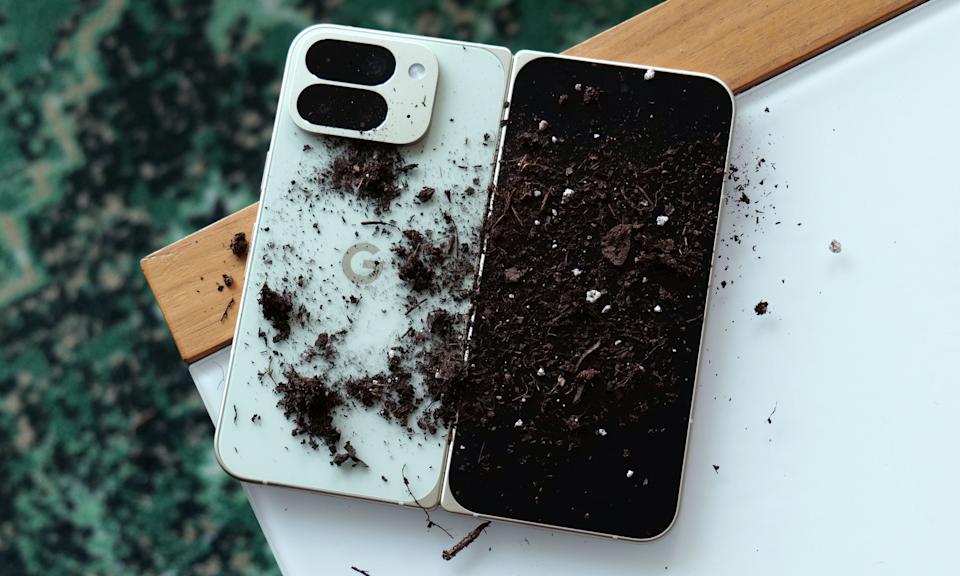
Take the original Galaxy Fold. It was chunky, heavy, and had a tiny exterior display. Its hinge design was prone to letting in dust and debris—likely how The Verge’s review unit ended up damaged. Yet despite these flaws, the Fold offered a glimpse of the future: a phone that could instantly transform into a small tablet. The concept was revolutionary, and its potential was undeniable.
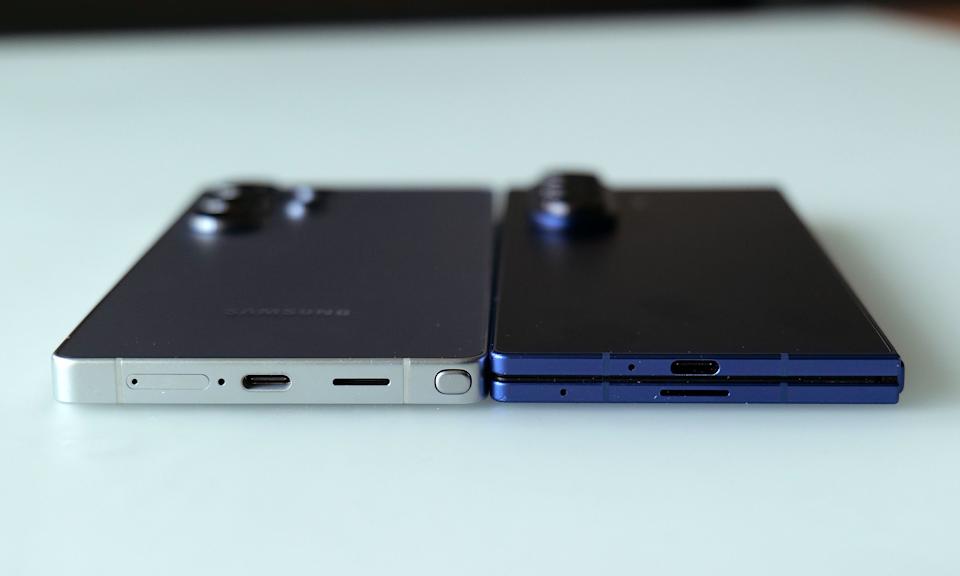
From there, Samsung and other manufacturers steadily improved foldables. The Galaxy Z Fold 3 added water resistance and S Pen support. The Z Fold 5 reduced the gap between the two halves when closed, making the device more refined and durable. Competition from OnePlus, Google, and Chinese brands like Oppo and Xiaomi further accelerated design and software improvements across the category.
Major Breakthroughs in 2025
This year brought some of the most significant advancements in foldable technology yet.
Google Pixel 10 Pro Fold: Durability First
Google’s Pixel 10 Pro Fold may look similar to its predecessor, but it introduced a critical upgrade: an IP68 rating for dust and water resistance. On regular phones, this might seem minor. But on foldables, where complex hinges make protection tricky, it’s a game-changer. Users no longer have to worry about debris or spills damaging their device, significantly boosting usability and peace of mind.
Samsung Galaxy Z Fold 7: Slimmer and Lighter Than Ever
Samsung, meanwhile, achieved a feat that seemed impossible for foldables: a device comparable in size and weight to a traditional glass slab. The Galaxy Z Fold 7 offers an expansive 8-inch interior display while weighing slightly less than the flagship Galaxy S25 Ultra (7.58 ounces vs. 7.69 ounces) and remaining nearly as thin (8.9mm vs. 8.2mm). For those who struggled with the bulk of earlier foldables, this is a huge step forward in portability and comfort.
The Crease Is Mostly a Non-Issue
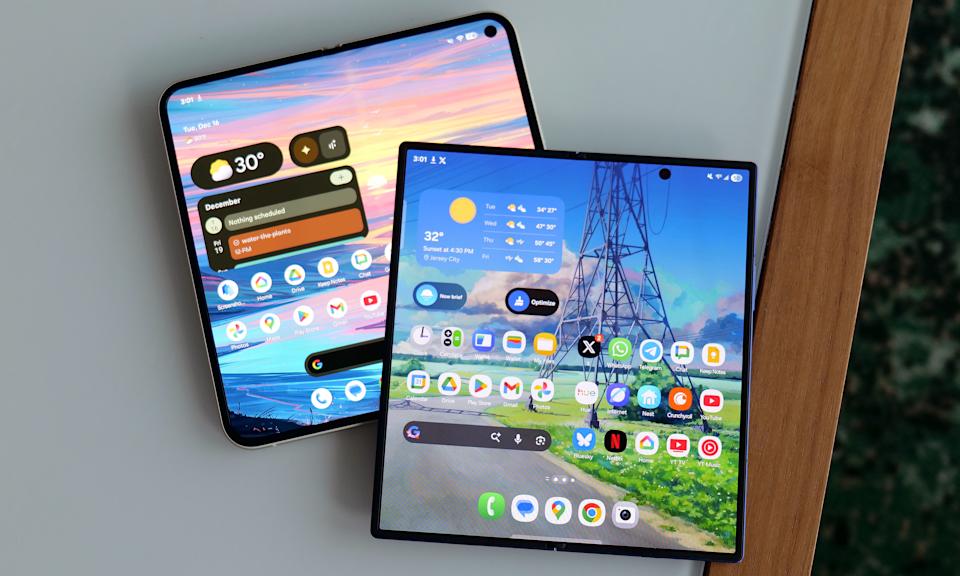
Many skeptics still point to the crease running down the middle of foldable screens. In reality, it’s largely negligible. Much like minor panel gaps on a convertible car, it’s barely noticeable in daily use.
Most users rarely interact directly with the center of their screen, and from a head-on view, the crease is virtually invisible—especially on a screen the size of a small tablet.
The One Remaining Challenge: Price
Despite these remarkable improvements, foldables remain prohibitively expensive. OnePlus came close in 2023 with the Open, which could be purchased for $1,500 after trade-in discounts—even for broken phones. Yet high prices persist: the Z Fold 7 launched at $2,000, $200 more than its predecessor.
Sales data suggests price is the primary barrier for most consumers. Foldable phone adoption is growing, with Galaxy Z Fold 7 sales up 50 percent over the previous generation and global foldable sales reaching record highs in Q3 of this year. Millions more would likely join the foldable revolution—if only these devices were more accessible.
Looking Ahead
Foldables have tackled nearly every technical hurdle: durability, thickness, weight, software, and functionality. The crease is barely noticeable, and the devices now rival traditional phones in practicality. All that remains is a price point that doesn’t make them a luxury item.
Given the pace of innovation, it’s only a matter of time before foldables achieve mass-market appeal—finally making this futuristic technology something everyone can carry in their pocket.
Frequently Asked Questions
How long have foldable phones been around?
Foldable phones have been in development for nearly a decade. Early prototypes appeared before Samsung’s Galaxy Fold, but mainstream adoption and refined designs began around 2019–2020.
What were the main issues with early foldables?
Early foldables were bulky, heavy, and often had small exterior displays. Hinges were prone to dust and debris, making them fragile. Despite these flaws, they showcased the potential of a phone that could double as a small tablet.
Have manufacturers fixed these problems?
Yes. Modern foldables are slimmer, lighter, and more durable. They now feature water and dust resistance (IP68 in some models), improved hinge design, and software optimized for multitasking.
What about the crease in foldable screens?
The crease is mostly cosmetic and not a functional issue. It is barely noticeable when using the phone, especially on larger screens, and doesn’t interfere with daily use.
Why are foldable phones still expensive?
Despite technological advancements, foldables remain premium devices due to complex engineering, materials, and manufacturing costs. Prices often start around $1,500 and can exceed $2,000.
Are foldables becoming more popular?
Yes. Sales are rising steadily. The Galaxy Z Fold 7, for example, saw a 50% increase over its predecessor, and global foldable phone sales reached record highs in Q3 2025.
Conclusion
Foldable phones have evolved from fragile prototypes into highly functional, sleek devices that rival traditional smartphones in usability and design. Modern models are lighter, slimmer, more durable, and capable of multitasking like never before. Even the long-discussed crease is now largely a non-issue for everyday use.
