
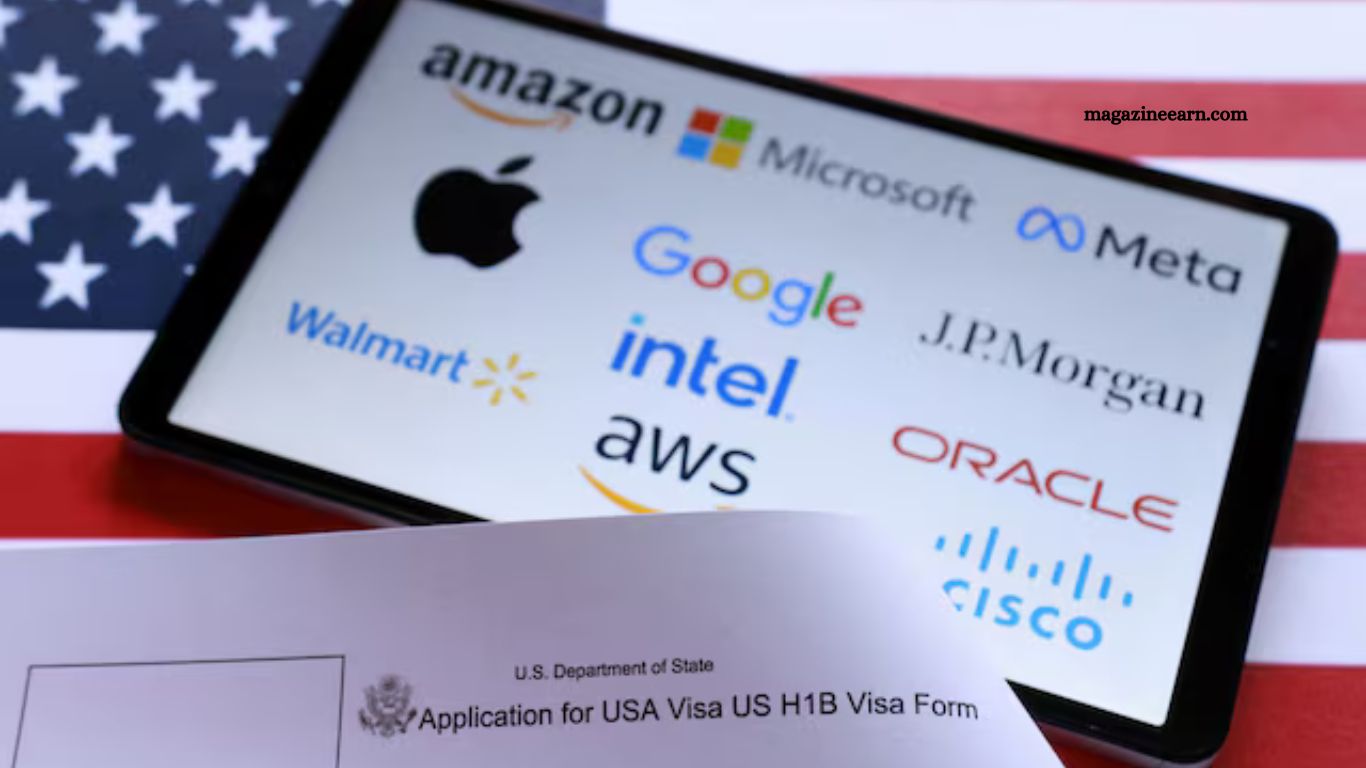
A federal judge has upheld the Trump administration’s controversial $100,000 fee on new H-1B visas, rejecting a challenge by the U.S. Chamber of Commerce. The H-1B program, which allows U.S. companies to hire highly skilled foreign workers, is widely used by technology firms and other industries facing talent shortages.
Opponents of the fee argued it would disproportionately affect small and medium-sized businesses, forcing them to cut jobs or scale back services. However, U.S. District Judge Beryl Howell ruled that the president acted within his broad authority to regulate immigration. While the decision confirms the legality of the fee, it leaves ongoing debates about the economic impact on U.S. employers and the accessibility of highly skilled foreign talent unresolved.
Read More: $1.8 Billion Powerball Jackpot Won in Arkansas on Christmas Eve
Court Decision
U.S. District Judge Beryl Howell, a Barack Obama appointee, rejected the Chamber’s argument that the fee conflicts with federal immigration law and would compel many companies, hospitals, and other employers to cut jobs or reduce services.
“The parties’ vigorous debate over the ultimate wisdom of this political judgment is not within the province of the courts,” Howell wrote. “So long as the actions dictated by the policy decision and articulated in the Proclamation fit within the confines of the law, the Proclamation must be upheld.”
Response from the Business Community
Daryl Joseffer, executive vice president and chief counsel of the U.S. Chamber of Commerce, expressed concern over the impact on small and medium-sized businesses.
“We are disappointed in the court’s decision and are considering further legal options to ensure that the H-1B visa program can operate as Congress intended,” Joseffer said.
Background on the H-1B Program
The H-1B visa program allows U.S. employers to hire foreign workers with specialized training, with technology companies being particularly reliant on these visas. Each year, 65,000 H-1B visas are available, plus an additional 20,000 for workers with advanced degrees, typically granted for three to six years.
Traditionally, H-1B visas carry fees ranging from $2,000 to $5,000, depending on various factors. President Trump’s new order would sharply increase these costs, raising concerns among businesses that rely heavily on foreign talent.
Broader Legal Challenges
The Chamber argued that the fee would force employers to either dramatically increase labor costs or hire fewer highly skilled foreign workers. Other legal challenges have been filed by Democratic-led states, as well as coalitions of employers, nonprofits, and religious organizations.
Trump cited his authority under federal immigration law to impose the fee, claiming that certain foreign workers were displacing American employees. Judge Howell noted that the administration provided evidence supporting this claim, including cases of companies laying off thousands of U.S. workers while petitioning for H-1B visas.
Frequently Asked Questions
Who is Judge Beryl Howell?
Judge Howell is a U.S. District Judge in Washington, D.C., appointed by former President Barack Obama.
How does the H-1B visa program work?
The H-1B program allows U.S. employers to hire foreign workers in specialty fields. Annually, 65,000 visas are issued, with an additional 20,000 for individuals with advanced degrees. Visa terms typically last three to six years.
Why did the Trump administration implement this fee?
The administration cited concerns that H-1B workers were displacing U.S. employees. Evidence included cases where companies laid off large numbers of American workers while petitioning for H-1B visas.
What are the next steps for the Chamber of Commerce?
Daryl Joseffer, the Chamber’s executive vice president and chief counsel, said they are considering further legal options to ensure the H-1B program operates as Congress intended.
Are there other legal challenges to this fee?
Yes. Several Democratic-led states, along with coalitions of employers, nonprofits, and religious organizations, have filed lawsuits challenging the $100,000 fee.
What impact could this fee have on U.S. businesses?
Businesses relying on highly skilled foreign workers may face significantly higher labor costs, potentially leading them to hire fewer H-1B workers. Technology companies are particularly affected due to their reliance on this talent pool.
Conclusion
The federal court’s decision to uphold President Trump’s $100,000 H-1B visa fee underscores the administration’s broad authority over immigration policy, even amid significant opposition from the business community. While the ruling affirms the legality of the fee, it leaves unresolved the broader debate over its economic impact on U.S. employers and the availability of highly skilled foreign workers.
