
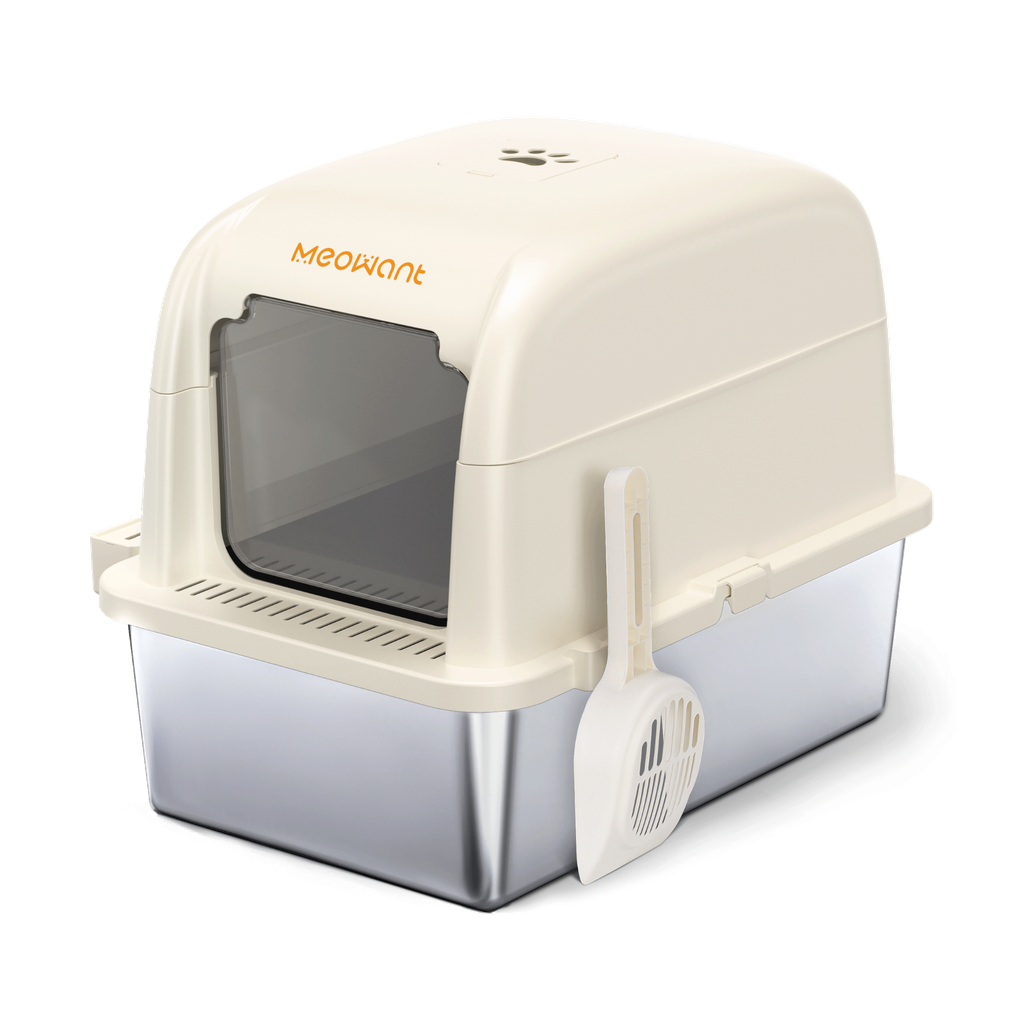
Bringing a cat into a compact apartment means solving a space problem before it becomes a smell problem. There is no spare room for a dedicated pet area, no basement corner to hide the box, and often no door between the bathroom and the rest of the flat. Everything has to work within a few square meters — and it has to work from the first day, because a new cat is already navigating unfamiliar territory.
Setup in a small space is a sequence, not a purchase. The location comes first, then the design that fits it, then the routine that keeps it livable. Get those three right and the box becomes an unremarkable part of the apartment. Get them wrong and every guest notices within a minute. This guide walks through the setup step by step, with the constraints of small homes in mind.
Choose the Spot Before the Box
Location decides more than design in a small apartment. A cat litter box in a high-traffic hallway will be avoided; one beside the fridge will spread odor through the kitchen. The ideal spot is quiet, accessible at all hours, and away from food and water. In a studio or one-bedroom, that often means the bathroom, a utility nook, or a corner behind a low screen that gives the cat a sense of separation without blocking airflow.
Think about the cat’s route as well. A new cat may spend its first days in one room, so place a box there before expanding its territory. Avoid spots at the end of a long dead-end corridor, where a cat can feel trapped with no escape if another animal approaches. A spot that offers a view of the entrance, yet sits slightly off the main path, tends to work best.
Working With Bathrooms and Laundry Nooks
The bathroom is a common choice, but it comes with humidity and traffic. Keep the box away from the shower splash zone, and make sure the door can stay open enough for the cat to enter. A laundry nook works if the appliances run quietly; sudden spin cycles are a reason cats stop using a box. Measure the floor space first, then pick a design that fits with clearance for the cat to turn around and for you to reach the far corners with a scoop.
Using Screens and Furniture
A freestanding screen or a low bookcase can carve out a semi-private zone without a wall. Position it so the box has airflow and the cat can still see the room. Avoid closing the box into a tight cabinet, especially in a small space where odors concentrate quickly. The aim is visual separation for you and a calm approach for the cat, not a sealed enclosure.
Pick a Design That Fits the Room
Once the spot is chosen, the design follows. In a small apartment, a covered box often earns its place because it contains both the view and the scatter. A tall open pan with high sides is a strong alternative if your cat dislikes enclosures. Measure the footprint and the height clearance, then leave room for a mat at the exit so tracked litter does not migrate across the floor.
Vertical vs. Floor Space
Small homes reward thinking upward. A top-entry box uses height instead of a wide footprint, and a tall covered unit keeps the base compact. Check that your cat can comfortably jump or climb to the entry, and place the unit so the entry faces open floor rather than a wall. If your cat is older or heavy, a low-entry open pan with a compact footprint will serve better than a vertical design that asks for effort.
Managing Access in a Studio
In a studio, every sightline matters. A covered unit in a bathroom or a screened corner keeps the box out of the living view without hiding it from the cat. Keep a small sealed waste bin nearby so scooping does not require a walk across the apartment. Consider a mat in a color that blends with the floor to keep the space looking tidy — a minor detail that makes daily cleaning feel less intrusive.
Build the Routine Around the Space
In a small apartment, odor control depends on frequency more than on products. Scoop at least once a day, ideally twice, and fully replace litter on a regular schedule. Wash the box with mild soap and dry it completely before refilling. Keep the litter at a consistent depth so your cat can dig and cover without reaching the bare floor. Airflow helps, so avoid sealing the box into a cabinet.
For owners who are away during the day, a self-cleaning unit can help maintain a fresh surface between manual checks. The waste drawer needs regular emptying, and the unit requires periodic cleaning, but the daily burden is lower. Quiet operation matters in a small space, where a loud motor is impossible to ignore at night; Meowant’s self-cleaning boxes are built with that constraint in mind, pairing a contained interior with a drawer that removes without disassembly. Whatever you choose, keep the manual routine going during the first weeks so your new cat learns the box is reliable.
Finally, give the new cat a calm introduction. Place it near the box with the lid open or the entry clear, let it explore, and avoid hovering. Reward quiet use with a treat and keep the room peaceful for the first few days. A low-stress start is the best guarantee that the box becomes the default choice.
Small Space, Reliable Setup
A small apartment does not have to mean a compromised litter setup. Choose a quiet, accessible spot, match the design to the available floor and height, and keep the cleaning routine simple enough to sustain. Containment, airflow, and frequency do most of the work; the right box simply makes them easier.
Set it up before your cat arrives, keep the first days calm, and adjust based on how your cat actually behaves. Done well, the box fades into the background of apartment life — exactly where it belongs.
