
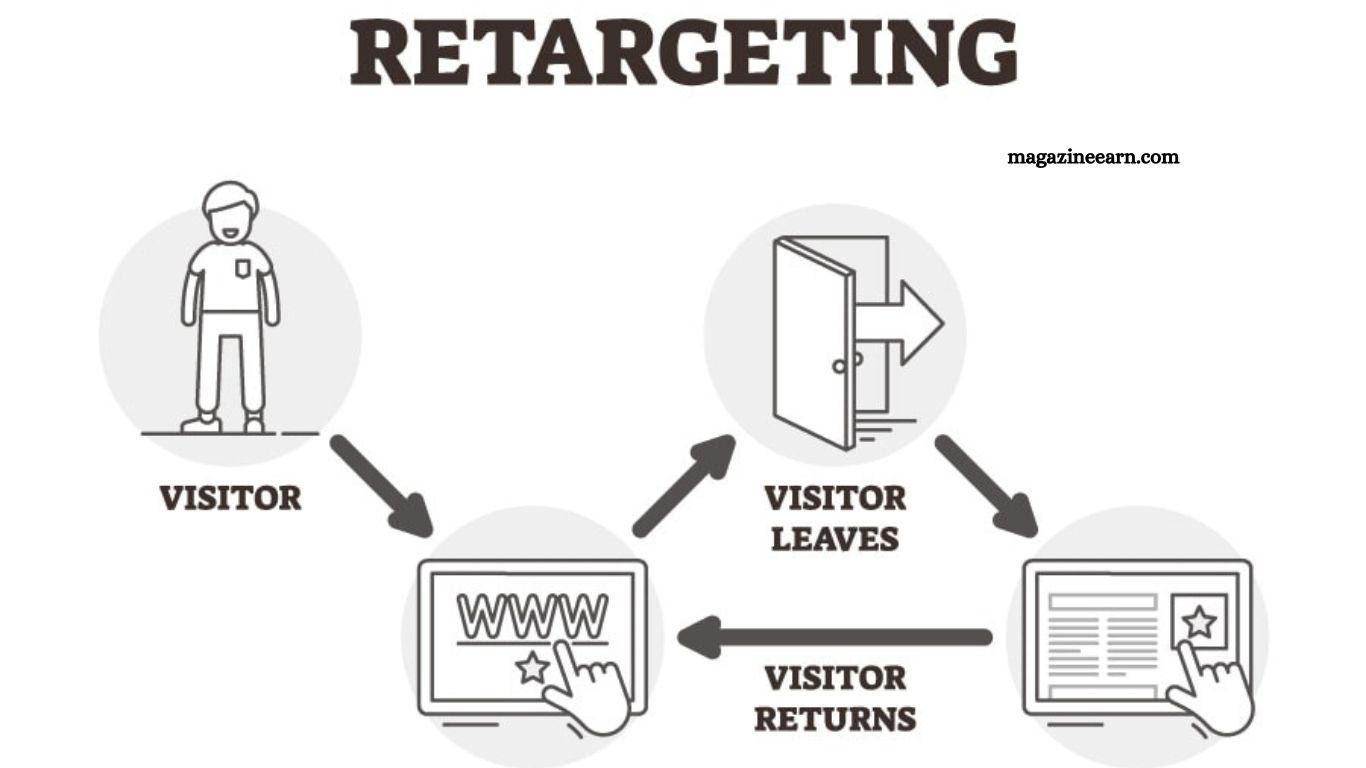
Retargeting ads are a powerful marketing tool designed to reconnect businesses with potential customers who visited their website but did not take action. Unlike traditional advertising, retargeting focuses on users who have already shown interest, increasing the chances of conversion.
By displaying relevant, personalized ads across websites, search engines, and social media platforms, businesses can remind users of products or services, strengthen brand awareness, and guide them back toward completing a purchase. Implementing effective retargeting strategies not only recovers lost opportunities but also improves return on investment and fosters long-term customer engagement.
Read More: How to Improve Website Speed for Better SEO
What Are Retargeting Ads?
Retargeting ads are digital ads displayed to users who visited a website or interacted with a brand online but did not complete a desired action. These ads “follow” users across the web,
Reminding them of products, services, or content they explored. By keeping a brand top-of-mind, retargeting helps recover lost opportunities and guides users toward conversion.
Benefits of Retargeting Ads
- Higher Conversion Rates: Users exposed to retargeting ads are already familiar with the brand. This familiarity increases the likelihood of converting compared to cold audiences.
- Improved ROI: Retargeting focuses on users who have shown intent, making ad spend more efficient. Businesses achieve better returns on investment.
- Brand Recall: Repeated exposure to retargeting ads strengthens brand awareness, ensuring customers remember the brand when making purchasing decisions.
- Personalized Marketing: Retargeting enables tailored messaging based on user behavior, creating a more relevant experience that drives engagement.
Types of Retargeting Ads
- Site Retargeting: Targets visitors who visited specific pages on a website. For example, users who viewed a product page receive ads showcasing that product.
- Search Retargeting: Focuses on users who searched for related keywords but did not visit the website. This expands reach beyond existing traffic.
- Email Retargeting: Engages users who opened emails but did not click links or complete actions. Ads reinforce the message and encourage follow-through.
- Social Media Retargeting: Leverages platforms like Facebook, Instagram, and LinkedIn to display ads to users who interacted with brand profiles or content.
Best Practices for Effective Retargeting
- Segment Audience: Divide users based on behavior, demographics, or engagement. Tailored messaging resonates more effectively.
- Create Engaging Ads: Use strong visuals, clear call-to-action, and concise messaging to capture attention.
- Frequency Control: Avoid overwhelming users with excessive ads. Maintain a balance to prevent ad fatigue.
- Leverage Dynamic Ads: Display products users previously viewed to create a personalized experience that encourages conversion.
- Test and Optimize: Monitor campaigns regularly, testing ad creatives, messaging, and targeting for optimal performance.
Common Mistakes to Avoid
- Ignoring mobile users: Ensure ads are optimized for mobile viewing.
- Overexposing users: High ad frequency can lead to negative brand perception.
- Using generic messaging: Ads lacking personalization have lower engagement and conversion rates.
Frequently Asked Questions
What are retargeting ads?
Retargeting ads show products or services to users who visited your site but didn’t complete an action, keeping your brand top-of-mind.
How do retargeting ads work?
They track website visitors with cookies or pixels and display personalized ads across websites, search engines, or social media.
Why use retargeting ads?
They increase conversions, improve ROI, and help recover lost potential customers by reminding them of your offerings.
What types of retargeting ads exist?
Site retargeting, search retargeting, email retargeting, and social media retargeting are the most effective types.
How can I make retargeting ads effective?
Segment audiences, use personalized messaging, control frequency, and test creatives to optimize campaigns.
What mistakes should I avoid?
Avoid overexposing users, using generic messages, and ignoring mobile optimization to maintain positive engagement.
Conclusion
Retargeting ads provide a powerful strategy to bring customers back, boost conversions, and maximize ROI. By implementing segmentation, personalization, and dynamic ad strategies, businesses can reconnect with potential customers effectively.
