
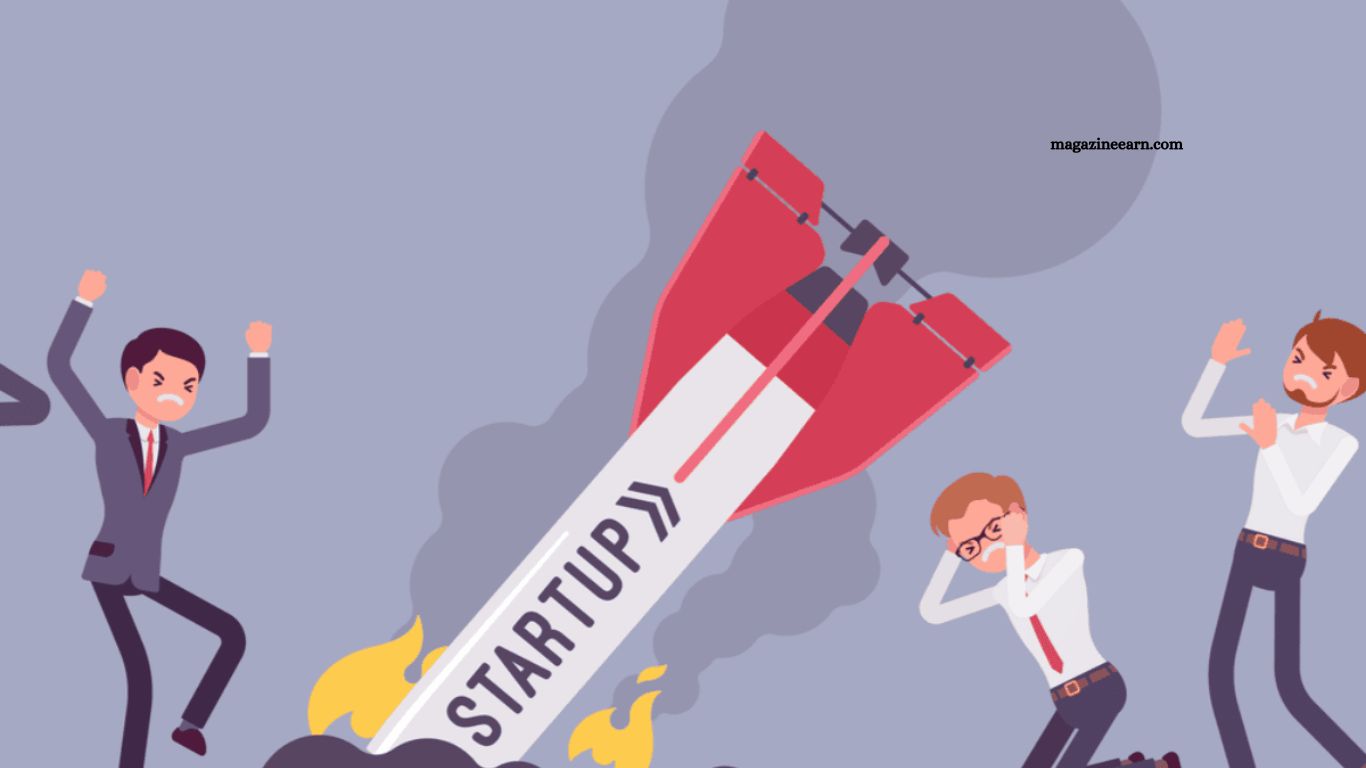
Starting a business brings excitement, ambition, and endless possibilities. Many entrepreneurs launch with innovative ideas and strong motivation, but countless startups fail within their first few years. Failure rarely happens because of a single bad decision.
Instead, it results from a series of avoidable mistakes that gradually weaken growth, customer trust, and financial stability. Understanding these common business mistakes helps founders make smarter decisions, reduce risks, and create a stronger foundation for long-term success.
Read More: How to Build a Powerful Brand Identity
Lack of Market Research Creates Weak Foundations
Many startups begin with an idea that sounds impressive but lacks real market demand. Entrepreneurs often assume customers will immediately appreciate their products or services without validating the concept. This assumption can become one of the most expensive mistakes a business makes.
Comprehensive market research identifies customer problems, purchasing behavior, competitor strengths, pricing expectations, and industry trends. Businesses that understand their target audience build solutions people actually need instead of creating products based on assumptions. Research also reveals opportunities that competitors have ignored, allowing startups to position themselves more effectively.
Poor Financial Management Leads to Early Failure
Financial discipline determines whether a startup survives difficult periods. Many founders focus heavily on sales while overlooking cash flow, budgeting, and expense management. Even companies generating healthy revenue can collapse if expenses grow faster than income.
Careful budgeting, regular financial reviews, and realistic forecasting help maintain stability. Emergency funds provide protection during slower sales periods, unexpected market changes, or operational challenges. Smart financial planning enables founders to invest strategically without putting the entire business at risk.
Ignoring Customer Feedback Slows Business Growth
Customers provide valuable insights that no business report can replace. Startups that ignore reviews, complaints, or suggestions often repeat the same mistakes while competitors continue improving.
Listening to customer experiences helps identify product weaknesses, service gaps, and opportunities for innovation. Businesses that actively respond to feedback build stronger relationships, improve customer satisfaction, and encourage long-term loyalty. Continuous improvement based on real customer experiences strengthens brand reputation and increases repeat business.
Trying to Grow Too Quickly
Rapid expansion often appears attractive, but growing faster than operational capacity creates significant challenges. Hiring too many employees, entering multiple markets, or launching several products simultaneously can overwhelm resources.
Successful startups usually expand gradually while strengthening internal systems, customer service, and operational efficiency. Sustainable growth allows businesses to maintain quality, manage finances effectively, and adapt to changing market conditions without sacrificing customer satisfaction.
Weak Marketing Reduces Brand Visibility
A great product cannot succeed if potential customers never discover it. Many startups underestimate the importance of consistent marketing and rely only on word-of-mouth referrals. Limited visibility restricts growth opportunities and slows revenue generation.
Effective marketing combines search engine optimization, content creation, social media engagement, email campaigns, and strategic advertising. Building a recognizable brand requires consistency, valuable messaging, and regular communication with the target audience. Strong marketing increases trust while attracting qualified customers.
Poor Leadership Affects Team Performance
Leadership shapes company culture, productivity, and long-term direction. Startup founders often possess technical expertise but struggle with communication, delegation, or decision-making. Weak leadership creates confusion, lowers employee morale, and reduces overall efficiency.
Successful leaders establish clear goals, encourage collaboration, support professional development, and maintain transparency. Motivated employees contribute innovative ideas, solve problems more effectively, and remain committed during challenging business periods.
Hiring the Wrong People
Every employee influences startup performance. Rushing recruitment to fill positions often results in poor hiring decisions that reduce productivity and increase operational costs.
Businesses benefit from hiring individuals who not only possess the required skills but also align with company values and culture. Strong recruitment processes improve teamwork, reduce turnover, and create a positive working environment that supports sustainable growth.
Failing to Adapt to Market Changes
Markets constantly evolve due to technology, customer expectations, economic conditions, and competitive innovation. Businesses that resist change often lose relevance over time.
Successful startups regularly evaluate industry trends, monitor competitors, and embrace innovation when necessary. Flexibility allows companies to introduce new products, improve services, and respond quickly to changing customer demands while maintaining a competitive advantage.
Lack of Clear Business Planning
Many entrepreneurs begin operations without a detailed business plan. While enthusiasm drives initial progress, unclear objectives eventually create confusion regarding priorities, budgeting, marketing, and expansion.
A structured business plan provides direction, defines measurable goals, identifies target customers, outlines financial projections, and establishes growth strategies. Regularly updating the plan helps businesses remain focused while adapting to new opportunities and challenges.
Neglecting Digital Presence
Modern consumers research businesses online before making purchasing decisions. Startups without professional websites, active social media profiles, or optimized online content often lose credibility.
A strong digital presence improves visibility, builds trust, and attracts customers through organic search results. Regular content updates, search engine optimization, and professional branding strengthen online authority while generating consistent business opportunities.
Frequently Asked Questions
Why do most startups fail?
Poor planning, weak financial management, and lack of market research.
How can startups avoid common business mistakes?
Research the market, manage finances wisely, and listen to customer feedback.
Why is cash flow important for startups?
Healthy cash flow keeps daily operations running smoothly.
Does marketing help startup success?
Yes, effective marketing increases visibility and attracts new customers.
Why should startups adapt to market changes?
Adapting helps businesses stay competitive and meet customer needs.
What is the key to long-term startup success?
Strong leadership, smart planning, and continuous improvement.
Conclusion
Startup success depends less on having a perfect idea and more on making informed decisions throughout the business journey. Avoiding common business mistakes such as poor financial management, weak marketing, limited customer research, ineffective leadership, and uncontrolled growth significantly improves long-term success.
