
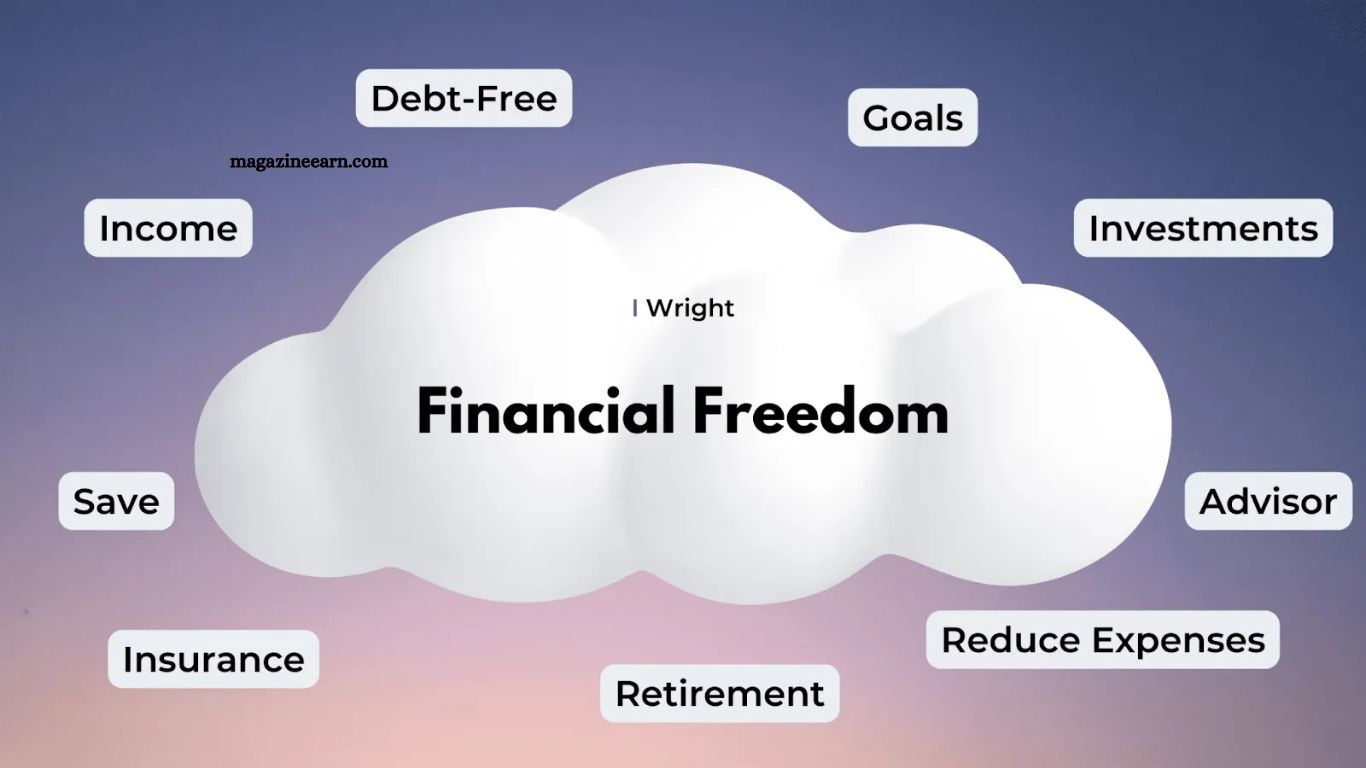
Financial freedom means having enough money, investments, and passive income to cover living expenses without depending entirely on a monthly paycheck. It creates flexibility, reduces financial stress, and allows better life choices.
Although reaching financial freedom takes time, every small step builds a stronger financial future. This guide explains a practical step-by-step process to help anyone improve financial stability and work toward long-term wealth.
Read More: Personal Finance Mistakes You Must Avoid: A Complete Guide to Building Financial Success
What Is Financial Freedom?
Financial freedom is the ability to live comfortably while maintaining control over personal finances. Instead of worrying about bills or unexpected expenses, financially independent people rely on savings, investments, and multiple income sources.
Financial freedom does not always require becoming wealthy. It means building enough financial security to support your desired lifestyle.
Benefits of Financial Freedom
- Lower financial stress
- Greater career flexibility
- Better retirement security
- More opportunities for travel and personal growth
- Increased confidence during economic uncertainty
- Strong financial protection for family members
Define Clear Financial Goals
Every successful financial journey starts with specific goals.
Examples include:
- Build a six-month emergency fund
- Eliminate credit card debt
- Buy a home
- Invest for retirement
- Generate passive income
- Reach one million dollars in net worth
Clear goals create motivation and provide direction.
SMART Goal Example
Instead of saying:
“I want more money.”
Use:
“I will save $10,000 within 18 months by setting aside $560 every month.”
Understand Your Current Financial Situation
Before making improvements, review your finances.
Calculate:
- Monthly income
- Monthly expenses
- Total savings
- Outstanding debt
- Investment portfolio
- Net worth
A complete financial overview helps identify strengths and weaknesses.
Create a Practical Budget
A budget gives every dollar a purpose.
Divide income into categories such as:
- Housing
- Transportation
- Food
- Utilities
- Insurance
- Savings
- Investments
- Entertainment
Budgeting reduces unnecessary spending while increasing savings.
Helpful Budgeting Tips
- Track expenses daily.
- Review spending every month.
- Avoid impulse purchases.
- Adjust spending when income changes.
Build an Emergency Fund
Unexpected expenses happen without warning. Medical bills, job loss, or vehicle repairs can damage financial progress. Aim to save three to six months of living expenses in an easily accessible account.
Benefits include:
- Financial security
- Reduced reliance on loans
- Greater peace of mind
Eliminate High-Interest Debt
Debt slows wealth creation.
Prioritize repayment of:
- Credit cards
- Personal loans
- Payday loans
Popular repayment methods include:
Debt Snowball
Pay smaller balances first to build motivation.
Debt Avalanche
Pay the highest interest rates first to reduce overall costs. Both strategies improve financial health.
Increase Income
Higher income accelerates financial freedom.
Ideas include:
- Freelancing
- Consulting
- Online business
- Digital products
- Rental property
- Dividend investments
- Affiliate marketing
- Remote work
- Side business
Growing income often creates faster results than reducing expenses alone.
Save Consistently
Saving should become a regular habit. Experts often recommend saving at least 20% of income whenever possible. Automating savings helps maintain consistency.
Good savings goals include:
- Emergency fund
- Vacation
- Home purchase
- Retirement
- Investment opportunities
Invest for Long-Term Growth
Saving protects money. Investing grows money.
Common investment options include:
- Stock market index funds
- Exchange-traded funds (ETFs)
- Mutual funds
- Real estate
- Bonds
- Dividend stocks
Long-term investing benefits from compound growth, allowing investments to increase over many years.
Create Passive Income
Passive income reduces dependence on active employment.
Examples include:
- Dividend-paying stocks
- Rental income
- Royalties
- Digital courses
- E-books
- Print-on-demand products
- Real estate investment trusts (REITs)
- Affiliate websites
Multiple income streams strengthen financial security.
Protect Your Wealth
Building wealth requires protecting wealth.
Important financial protections include:
- Health insurance
- Life insurance
- Property insurance
- Estate planning
- Secure investment diversification
Risk management prevents significant financial setbacks.
Improve Financial Knowledge
Financial education supports better decision-making.
Learn about:
- Investing
- Taxes
- Retirement planning
- Personal budgeting
- Real estate
- Business finance
Continuous learning increases confidence and improves financial outcomes.
Review Progress Regularly
Financial plans should evolve. Review every three to six months.
Measure:
- Savings growth
- Debt reduction
- Investment performance
- Income increases
- Net worth improvement
Adjust strategies whenever necessary.
Common Mistakes to Avoid
Many people delay financial freedom because of avoidable mistakes.
Avoid:
- Lifestyle inflation
- Overspending
- Ignoring retirement planning
- High-interest debt
- Emotional investing
- Lack of financial goals
- Missing emergency savings
- Depending onone’se income source
Small corrections today produce significant improvements over time.
Best Habits for Long-Term Financial Success
Strong financial habits create lasting wealth.
Develop habits such as:
- Spending below the income level
- Investing consistently
- Tracking expenses
- Reading financial books
- Learning new skills
- Building multiple income streams
- Avoiding unnecessary debt
- Planning major purchases carefully
Consistency often matters more than perfection.
Frequently Asked Questions
What is financial freedom?
Financial freedom means having enough income and savings to cover living expenses without relying on a regular paycheck.
How can I start my financial freedom journey?
Start by creating a budget, reducing debt, building savings, and investing consistently.
How much should I save each month?
Aim to save at least 20% of your monthly income, or as much as your budget allows.
Why is an emergency fund important?
An emergency fund helps cover unexpected expenses without using loans or credit cards.
What is the best investment for beginners?
Low-cost index funds and ETFs are popular beginner-friendly investment options for long-term growth.
Can anyone achieve financial freedom?
Yes. With consistent saving, smart spending, and regular investing, anyone can work toward financial freedom.
Conclusion
Achieving financial freedom requires patience, discipline, and consistent action. By setting clear goals, managing expenses, eliminating debt, saving regularly, and investing wisely, you can build lasting financial security. Start with small steps today, stay committed to your plan, and enjoy the long-term benefits of financial independence.
