
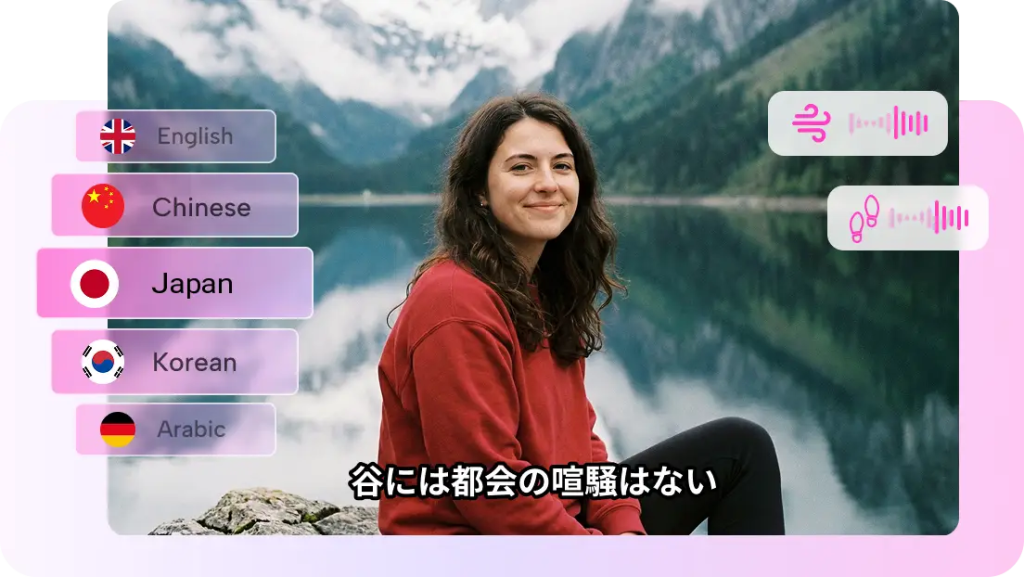
Automatic color and exposure for more professional video in between scenes. It ensures that the color, tone, and detail are consistent, without the need for manual adjustments. Today’s creators face some difficulties when working with multi-scene footage with varying lighting levels. With Pippit’s AI capabilities, this is easy to do. This process saves time in editing and helps to improve visual storytelling. With advanced features such as Seedance AI, which helps harmonize frames between clips, every clip can be polished and cohesive, ensuring high-impact content creation.
Understanding Color and Exposure in AI Video Production
Visual Storytelling is about exposure and color balance. Exposure controls the brightest and darkest, and the color accuracy ensures that the scene will be a realistic one. The use of inconsistent lighting can take the viewer out of the experience and lower the quality of the content. The frames and shots are consistent, keeping viewers engaged. Automated correction is the key to consistent visual output across different environments, vital to professional workflows. Seedream helps to fine-tune tonality balance and maintain natural scene characteristics. Proper calibration will result in consistent shadows, highlights, and midtones. This provides a good visual foundation for high-level AI video production pipelines, especially in dynamic, multi-layered content environments for modern digital storytelling workflows.

Seedance AI’s Automated Color Optimization Technology
Seedance AI’s automatic color optimization technology helps ensure that the video colors are consistent throughout the video. It adjusts the lighting, exposure, and tone balance automatically and intelligently without intervention. It is applied to make the brightness of the different frames the same to avoid abrupt brightness changes. It also polishes colors to preserve the realism and emotional tone. Texture preservation – Details will remain visible after correction. For multiple types of content, intelligent processing allows the output of cinematic quality. Seedance combines adaptive learning to understand the context of the scene and make appropriate adjustments. This can lead to a more cohesive and seamless experience between shots and improve the overall visual narrative. The technology delivers smoother video delivery of all videos created in Pippit workflows and seamless workflows.
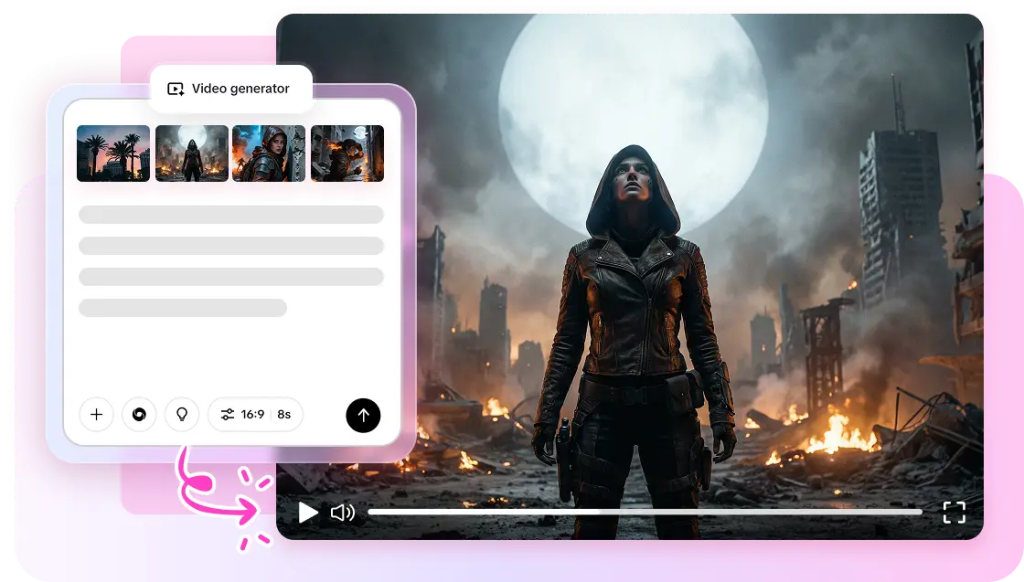
Steps to Auto-Balance Color And Exposure In Every Scene With Seedance AI
Step 1: Open Your Video Generation Panel
- Sign up for Pippit and access the platform.
- Go to the “Video generator” tab from the dashboard.
Step 2: Generate a Visually Balanced Video
- Select an AI model, such as Dreamina Seedance 1.0, Dreamina Seedance 2.0, or Dreamina Seedance 2.0 Fast, for your video generation.
- Enter a detailed text prompt describing how you want color tones and exposure balance to appear across scenes.
- You can also select the video length, language, subtitles, and aspect ratio for your video.
- Click “+” to upload reference images or videos from your device, phone, Dropbox, or a link. You can also select assets if you don’t have reference media.
- Once everything is added, click “Generate” to auto-balance colors and exposure across your video.
Step 3: Adjust & Export Final Visuals
- Select your video, and press the Play button to review lighting and exposure consistency.
- To make changes, click “Edit more” and use the tools to crop, stabilize, adjust colors, or change the background with refined grading control.
- Or, click “Download” to save your AI-generated video to your device, or “Publish” to share it directly on your social media.
Benefits of Auto-Balanced Color and Exposure
Auto-balanced color and exposure offer a number of benefits for today’s video production workflows. It offers more consistent imagery across all scenes, for consistent brightness and accurate tones. Manual corrections are eliminated, and the load of editing is decreased. Highlight and shadow details. The result is more professional and can be used on various platforms. These optimizations are facilitated by AI-powered systems within Pippit. Creators can make more with ease and no need for time-consuming tweaks. This results in quicker delivery periods and greater engagement of audiences to various types and formats of content applied to digital storytelling environments.
Key Areas Improved Through Automated Scene Balancing
Automated scene balancing improves multiple visual aspects that directly affect viewer perception and content quality across dynamic video environments inside Pippit workflows.
- In high-exposure scenes, it maintains detail in the overexposed areas.
- Holding onto information in dark areas, with good contrast.
- Combines warm and cool hues for a natural color output.
- Creates realistic colors for human skin under different lighting conditions.
- Adjusts foreground and background colors to create uniformity in the presentation of scenes.
- Maintains fine textures even in bright and exposed areas.
Leveraging Dreamina Seedance 2.0 for Enhanced Visual Quality
The visual quality will be significantly improved by the use of advanced AI video systems in Dreamina Seedance 2.0, a feature of Pippit. Supplies a 2K resolution output with better light interpretation and better texture. The character and environment rendering is uniform, and scenes are more stable. The advantage of longer clips is that it provides longer storytelling opportunities without sacrificing visuals. Smooth transitions between shots realize the multi-shot coherence. This model is helpful to increase the productivity of production by reducing the number of post-production corrections. The color balance is uniform in different lighting and environment conditions. It also makes the movement more clear in dynamic scenarios, giving an additional layer of engagement and professionalism to the content on various platforms and use cases.
Maintaining Visual Consistency Across Multi-Shot Productions
In multi-shots, visual consistency will give a coherent viewing experience. AI-powered systems automatically match the lighting and color between scenes. This will reduce the abrupt eye movements that can disrupt the flow of the story. All content is in keeping with the brand and all platforms. Predictable and stable visuals result in viewer retention. This consistency is achieved through Pippit’s automated balancing tools, which are integrated into workflows. Even in the presence of complicated lighting conditions, scene matching is easier. This reduces the sharpness of the transitions and enhances the narrative’s clarity. Overall production quality improves, and manual video editing to achieve professional results is reduced in a variety of video projects.
Best Practices for Maximizing Auto-Balance Results
AI video workflow tools are more effective with best practices. Lighting prompts to gain an understanding of lighting expectations. Use reference assets to achieve color and tone consistency throughout the generative process. It is advantageous to check outputs to determine if there are any discrepancies in the picture from the outset. Color balance and exposure are fine-tuned inside Pippit. When applied in combination, these practices are more effective and require fewer iterations. Prompt sensitivity is gradually developed over time through repetition of experimentation. This facilitates the effective production of content and, in professional video production environments, ensures uniformity of visual effects in different types of video and platforms.
Conclusion
The automatic color and exposure balancing make video production a simple process. It reduces the need for manual correction and enhances the visual consistency across various scenes. Pippit’s intelligent tools streamline content creation for professionals across a variety of use cases. Seedance AI is here to make this transition happen, providing stable and quality results. The same visuals help to reinforce the narrative and enhance engagement on platforms. For modern digital creators, efficient workflows translate to quicker publications and improved production quality without being technologically demanding.
