
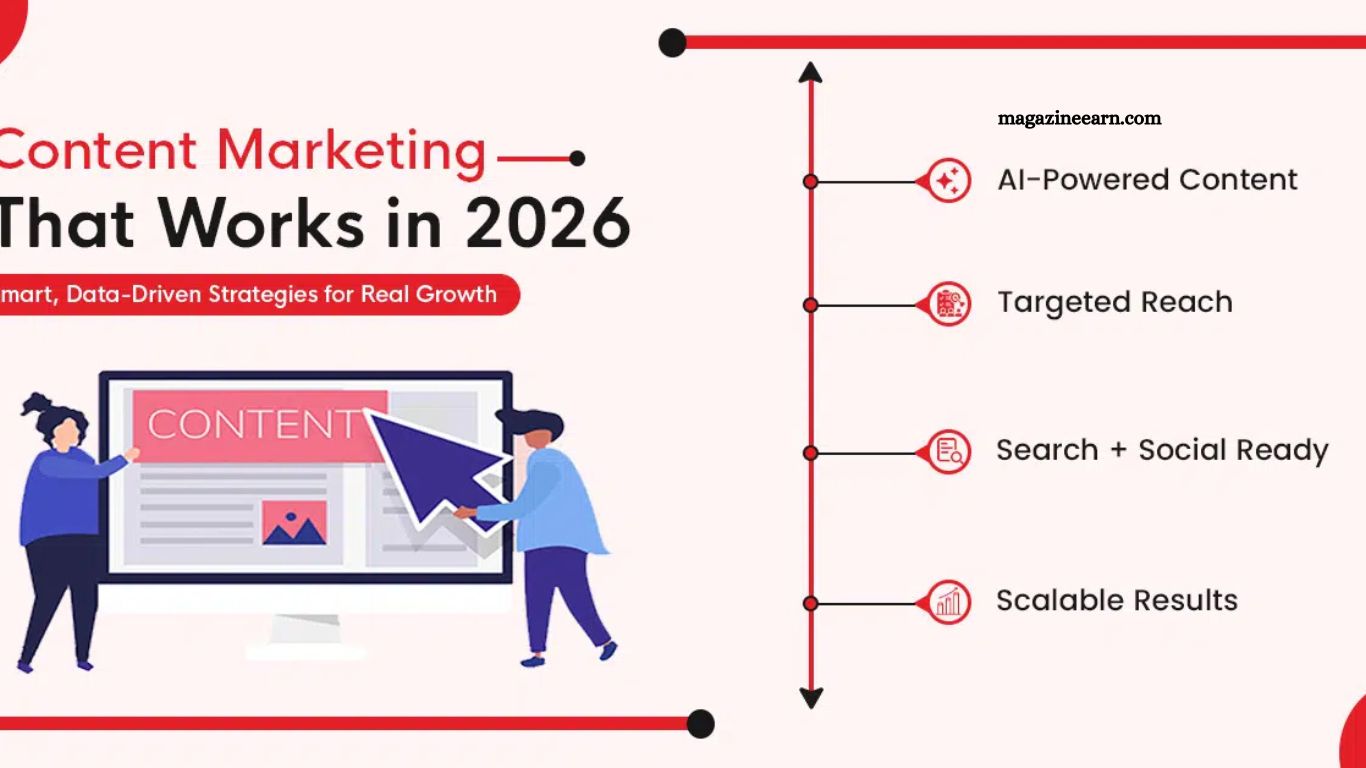
In today’s fast-paced digital world, businesses need more than just a presence—they need content that drives results. Content marketing strategies that actually work focus on creating value, engaging the right audience, and building lasting relationships. Generic posts and one-size-fits-all campaigns no longer capture attention or generate meaningful leads.
Successful strategies combine audience research, high-quality content, SEO optimization, and consistent distribution across multiple channels. Leveraging diverse formats such as blogs, videos, infographics, and podcasts ensures broader reach and higher engagement. By measuring performance and adapting strategies, businesses can turn content into a powerful tool for growth. This guide explores proven approaches that help brands attract, convert, and retain loyal customers effectively.
Reqad More: How to Create High-Converting Google Ads
Understand Your Audience
Successful content marketing begins with a deep understanding of your target audience. Research audience demographics, interests, online behavior, and pain points.
Tools like Google Analytics, social media insights, and surveys help create accurate buyer personas. Personalized content resonates better with readers, increases engagement, and drives conversions.
Focus on High-Quality Content
Content quality determines how your audience perceives your brand. Prioritize creating informative, valuable, and well-researched content. Incorporate actionable insights,
Practical tips, and real-world examples. Long-form content, such as guides and case studies, performs well for SEO and establishes authority in your industry.
Leverage SEO Best Practices
Optimizing content for search engines increases visibility and organic traffic. Conduct keyword research to identify high-traffic, low-competition keywords relevant to your niche. Include keywords naturally in titles, headers, meta descriptions, and body text. Internal and external linking strengthens SEO performance, while optimized images and videos improve user experience.
Utilize Multiple Content Formats
Audiences consume content in various formats. Diversify your strategy by using blogs, videos, podcasts, infographics, eBooks, and social media posts.
Video content captures attention quickly and increases dwell time on websites. Infographics simplify complex topics, making information more digestible. Multiple formats maximize reach and engagement.
Consistent Content Distribution
Publishing content consistently builds trust and authority. Develop a content calendar to plan topics, formats, and posting schedules.
Share content across multiple channels including social media, email newsletters, and industry forums. Repurposing content into different formats extends its lifespan and reach.
Measure Performance and Optimize
Data-driven decisions improve content effectiveness. Track key metrics such as website traffic, social shares, engagement rates, and conversions.
Tools like Google Analytics, SEMrush, and HubSpot provide actionable insights. Analyze performance regularly and refine strategies to focus on content that drives results.
Engage Your Audience
Interaction enhances brand loyalty. Encourage audience feedback through comments, polls, and social media discussions.
Respond promptly and thoughtfully to build a strong connection. User-generated content and testimonials increase authenticity and trust.
Collaborate with Influencers
Partnering with industry influencers expands reach and credibility. Influencers provide access to new audiences and can enhance content authority. Choose influencers aligned with your brand values and target audience for maximum impact.
Frequently Asked Questions
Which content formats perform best?
Blogs, videos, podcasts, infographics, eBooks, and social media posts are highly effective. Videos and infographics increase engagement, while long-form guides and case studies improve SEO authority.
How often should I publish content?
Consistency matters more than volume. Develop a content calendar and aim for regular posting that your team can sustain. Regular updates help maintain audience trust and improve search rankings.
How can SEO improve content marketing results?
SEO increases visibility and drives organic traffic. Optimize content with targeted keywords, internal and external links, and meta descriptions. High-quality SEO content ranks better in search engines and reaches the right audience.
What metrics should I track for content marketing?
Track website traffic, engagement metrics (likes, shares, comments), lead generation, conversion rates, and bounce rates. Analyzing these metrics identifies what works and what needs improvement.
Can collaborating with influencers help?
Yes, influencer collaborations expand reach and credibility. Partner with influencers aligned with your brand and audience to maximize impact and trust.
How do I engage my audience effectively?
Encourage feedback through comments, polls, and social media interactions. Respond promptly, highlight user-generated content, and provide valuable insights to foster loyalty.
Conclusion
Content marketing works best when strategy, quality, and consistency come together. Understanding your audience, producing valuable content, optimizing for SEO, and distributing across multiple channels ensures maximum impact. Measuring results and engaging your audience strengthens connections and drives conversions. I
